Common Names: Huskyhuahua, Husky-Chi, Chusky, Huahua
Group: Hybrid (Designer)
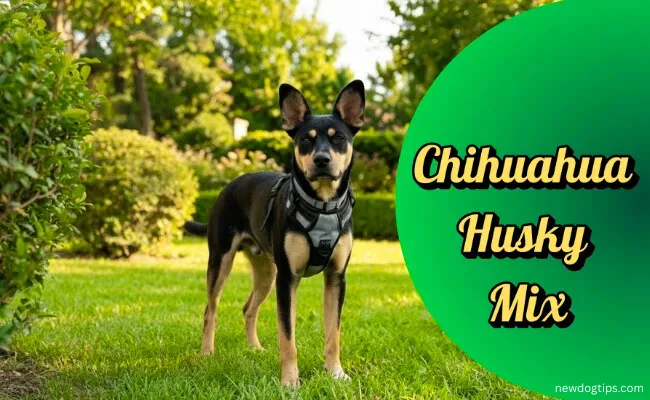
The Chihuahua Husky mix, also called the Huskyhuahua, is an unusual combination. It brings together the small, bold Chihuahua and the athletic Siberian Husky. The result is a dog with a big personality in a small or medium body.
They often have the Husky’s facial markings and blue eyes, but are small enough for apartment living. Despite their size, they are active and energetic. The Huskyhuahua combines the Husky’s stamina with the Chihuahua’s bold attitude.
This guide covers the Husky-Chi’s temperament and care needs to help you decide if this mix is a good fit for your home.
Breed Overview
- Height: 6–15 inches
- Weight: 7–20 pounds (can vary significantly based on which parent they favor)
- Life Expectancy: 12–16 years
- Temperament: Energetic, loyal, intelligent, stubborn, vocal, alert
- Coat Type: Short to medium length; often a double coat
- Colors: Black, gray, white, tan, brown, cream; often with Husky-like facial markings
- Group: Mixed Breed (Not recognized by the AKC)
Breed Characteristics
The Chihuahua Husky mix can vary in personality, but most are energetic, intelligent, and vocal.
Personality and Temperament
This mix is loyal to family and may be cautious with strangers. They often bond closely with one person, like a Chihuahua, but can also be friendly with trusted people, like a Husky.
They make good watchdogs. Chihuahuas tend to bark at new things, and Huskies may howl or vocalize. This breed is not quiet.
Energy Level
They have high energy. Even though they are small, they need regular activity. Daily walks, play, and mental challenges help prevent problem behaviors.
Trainability
Training can be challenging. Both parent breeds are independent. The Huskyhuahua may learn commands quickly but may not always obey. Use patience and positive reinforcement.
Friendliness
- Affection Level: High (with family)
- Friendliness to Strangers: Low to Moderate
- Kid-Friendly: Moderate (Better with older children due to small size and potential nippiness)
- Pet-Friendly: Moderate (May chase cats due to prey drive; usually good with other dogs if socialized)
History of the Breed
The Chihuahua Husky mix is a recent hybrid. They do not have a long history, but knowing about the parent breeds helps explain their traits.
The Designer Dog Trend
Chihuahuas and Huskies were likely first mixed in the late 1990s or early 2000s, when designer breeds became popular. The aim was to get a Husky’s look in a smaller, more manageable dog.
Because of the size difference between the parents, many Husky-Chis come from accidental breeding or artificial insemination. Natural breeding between a large Husky and a small Chihuahua is risky and difficult.
Parent 1: The Siberian Husky
Originating in Northeast Asia, the Siberian Husky was bred by the Chukchi people as an endurance sled dog. They were designed to run vast distances on minimal food in freezing temperatures. This history gives the Husky-Chi its stamina, thick coat, and strong prey drive.
Parent 2: The Chihuahua
The Chihuahua’s history traces back to ancient Mexico, descending from the Techichi, a companion dog of the Toltec civilization. They were bred solely for companionship and spiritual purposes. This lineage gives the mix its small stature, heat tolerance (though the Husky genes fight this), and intense loyalty to its owner.
Care Requirements
Caring for a Chihuahua Husky mix means considering both small-dog safety and big-dog exercise needs. They are not just lap dogs and need regular activity.
Exercise Needs
These dogs need 45 to 60 minutes of exercise each day, even though they are small. Without enough activity, they may become destructive.
- Walks: Two brisk 20-minute walks per day are a good baseline.
- Play: They love fetch and tug-of-war. Their agility often surprises owners; many excel at mini agility courses.
- Mental Stimulation: They need more than physical exercise. Use puzzle feeders, snuffle mats, and trick training to keep them engaged.
Grooming
Expect shedding. The Siberian Husky has a thick double coat that “blows” (sheds heavily) twice a year, and the Chihuahua sheds moderately year-round.
- Brushing: Brush them 2–3 times a week to remove loose fur and prevent matting. During spring and fall shedding seasons, daily brushing is necessary.
- Bathing: Bathe only when dirty (every 2–3 months) to avoid stripping natural oils.
- Nails and Ears: Trim nails monthly. Check ears weekly for wax buildup, especially if they have the Husky’s erect but furry ears.
Training Tips
Training a Husky-Chi can be difficult.
- Start Early: Socialization is critical. Introduce them to many people, dogs, and sounds as puppies to combat the Chihuahua’s natural wariness.
- Positive Reinforcement: Use high-value treats like chicken or cheese. Avoid harsh methods, as these can cause fear or aggression.
- Leash Training: Huskies are pullers, and Chihuahuas can be fragile. Use a harness rather than a collar to protect their trachea (windpipe) while teaching loose-leash walking.
- Recall: Do not let a Husky mix off-leash in open areas. Their prey drive is strong, and they may run off if they see an animal.
Health and Safety
Mixed breeds may be healthier than purebreds, but they can still inherit health problems from both parent breeds.
Common Health Issues
- Patellar Luxation: A common Chihuahua issue where the kneecap slips out of place. Watch for skipping or hopping while running.
- Hip Dysplasia: A Husky trait where the hip joint doesn’t fit correctly, leading to arthritis.
- Collapsing Trachea: Weak cartilage rings in the windpipe, common in small dogs. Using a harness is the best prevention.
- Eye Conditions: Both breeds are prone to eye issues. Look out for cataracts, glaucoma, and Progressive Retinal Atrophy (PRA).
- Hypoglycemia: Low blood sugar, common in very small dogs. Puppies need to eat frequently to maintain energy levels.
Preventive Care
- Regular Vet Visits: Annual checkups are essential to catch joint or heart issues early.
- Dental Care: Chihuahuas have notorious dental problems due to their small mouths. Brush your Husky-Chi’s teeth 3–4 times a week to prevent rot and gum disease.
- Temperature Safety: This mix may have a thick coat but a small body. They can overheat in summer and get cold quickly in winter. Monitor them in extreme temperatures.
Diet and Nutrition
Feeding a Husky-Chi requires balance. They are energetic but have small stomachs.
- Food Type: Choose a high-quality dry kibble formulated for small to medium active breeds. Avoid generic “toy breed” food if your mix is high-energy, as it may not have enough protein.
- Portion Control: Obesity is a risk. The Chihuahua build cannot handle extra weight, which can stress their joints. Measure food carefully.
- Feeding Schedule: Feed adults two times a day. Puppies under 6 months should eat 3–4 times a day to prevent hypoglycemia.
- Water: Always provide fresh water, especially after exercise, since they can dehydrate quickly.
Where to Adopt or Buy
It can be hard to find a Chihuahua Husky mix from a reputable breeder. Most are found in shelters or from backyard breeders.
Adoption (Recommended)
Adoption is the most ethical way to get a Husky-Chi. Many end up in shelters because owners are not prepared for their energy or shedding.
- Search Terms: Look for “Husky mix,” “Chihuahua mix,” or “small spitz mix” on adoption sites like Petfinder or Adopt-a-Pet.
- Rescue Groups: Look for breed-specific rescues for both parent breeds (e.g., “Texas Husky Rescue” or “Chihuahua Rescue & Transport”). They often take in mixes.
- Cost: Adoption fees typically range from $150 to $500, covering vaccinations and spaying/neutering.
Buying from a Breeder
Be cautious. Many sellers of this mix are puppy mills or backyard breeders who do not prioritize health.
- Red Flags: Breeders who won’t let you see the parents, offer to ship the puppy without meeting you, or have multiple litters available at once.
- Health Testing: A responsible breeder will test the parents for genetic issues (knees for Chihuahuas, hips/eyes for Huskies) and show you the results.
- Cost: Prices can range from $800 to over $2,000.
Breed Overview / Further Research
If you think the Chihuahua Husky mix is the right dog for you, continue your research by connecting with communities that understand these breeds.
- Siberian Husky Club of America: www.shca.org (Good for understanding the Husky side of the temperament)
- Chihuahua Club of America: www.chihuahuaclubofamerica.org (Essential for learning about small-dog health)
- Local Dog Training Clubs: Visit a local agility or obedience class to see high-energy dogs in action and ask trainers about their experience with spitz-type mixes.
The Huskyhuahua needs structure, patience, and regular activity. For the right owner, they are loyal and adventurous companions.